
Nickelodeon All-Star Brawl 2: Roster Changes and Character Speculation
Nickelodeon All-Star Brawl 2's bold roster choices spark debate among fighting game fans, balancing innovation with fan favorites in 2025's gaming landscape.
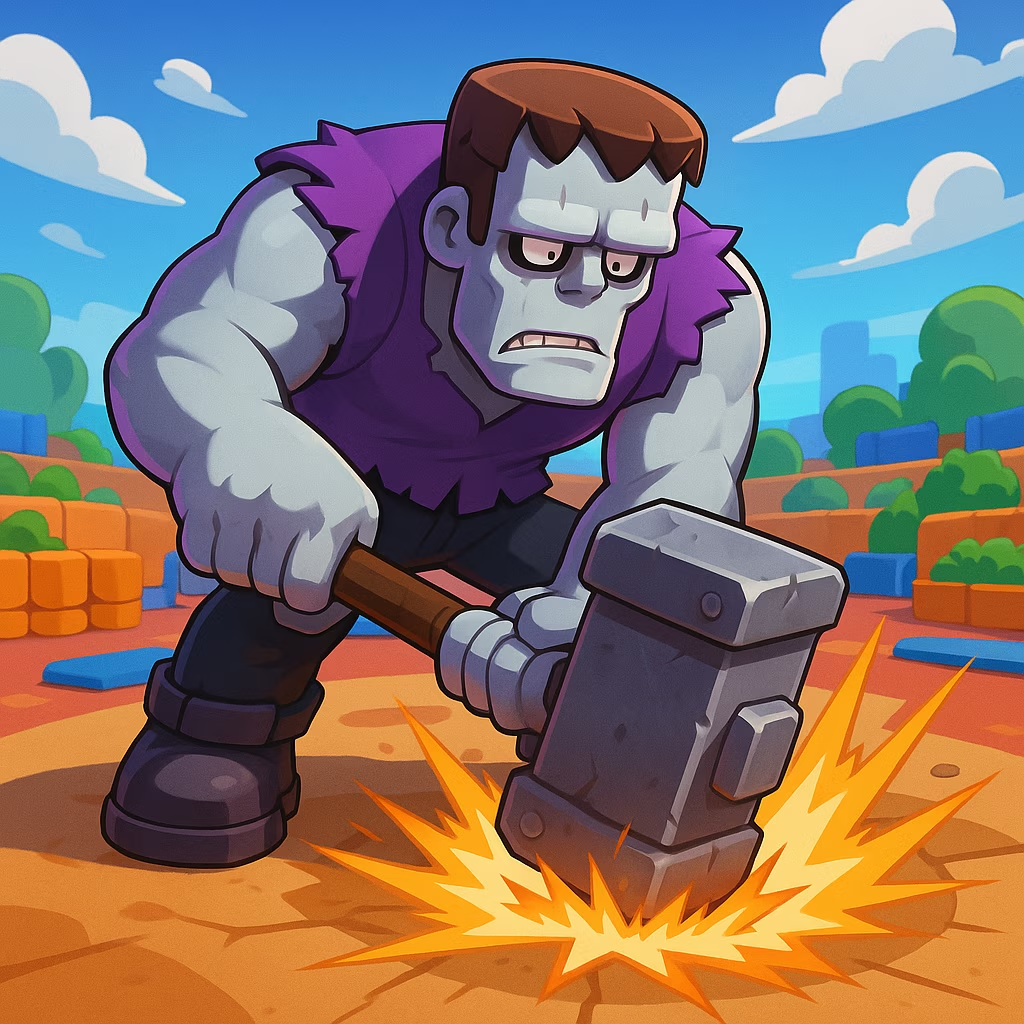
As we approach mid-2025, the gaming community continues to discuss the roster decisions made in Nickelodeon All-Star Brawl 2, which shook up expectations when it launched. Unlike Super Smash Bros. Ultimate, which set a precedent by including every fighter from previous iterations, NASB2 took a different approach that still generates conversation among fighting game enthusiasts.
When Ludosity and Fair Play Labs announced Nickelodeon All-Star Brawl 2 after months of speculation, fans were thrilled to see new additions like Squidward, Jimmy Neutron, and the Teenage Mutant Ninja Turtles Donatello and Raphael joining the fray. However, the developers made the controversial decision not to bring back the entire original roster.
Fair Play Labs studio director Diego Rodriguez addressed this choice in an interview prior to the game's release: "This is probably one of the hardest decisions we made when we started to design the game — a lot of thought came into it. We looked a lot at the reaction on the roster of the first game, what were the more requested characters by the community and also what we can achieve with the vast list of amazing Nick characters."
This strategic approach to roster building has become increasingly common in fighting game sequels. Rather than attempting to include every character, developers often focus on creating a more balanced and refined experience. Was this the right call for NASB2? The community remains divided nearly two years after release.
Fan Favorites vs. New Additions
The decision to cut certain characters sparked immediate speculation among the fanbase. Players combed through promotional materials looking for clues about which fighters would return. Characters like Leonardo, Lincoln Loud, and Powered Toast Man were eventually confirmed, appearing in screenshots and having their stages represented in the game.
However, several veterans from the original game faced uncertainty, including:
-
Helga Pataki from Hey Arnold!
-
Sandy Cheeks from SpongeBob SquarePants
-
Toph Beifong from Avatar: The Last Airbender
-
Hugh Neutron (Jimmy's dad)
-
Oblina from Aaahh!!! Real Monsters
-
Shredder from Teenage Mutant Ninja Turtles
Some of these omissions surprised fans, particularly since characters like Toph and Sandy had dedicated followings. Did the developers make these cuts based on usage statistics, technical limitations, or licensing issues? This question has fueled community discussion since the game's release.
The Evolution of Fighting Game Rosters
Looking back at the evolution of fighting game sequels, NASB2's approach wasn't unprecedented. Many fighting franchises have historically rotated characters between installments, with Tekken, Street Fighter, and Marvel vs. Capcom all having removed popular fighters at various points.
What distinguishes successful roster revisions from disappointing ones? The key factors appear to be:
-
Replacing cut characters with compelling new additions
-
Ensuring the core gameplay feels enhanced rather than diminished
-
Maintaining representation from major franchises
-
Balancing competitive viability with character popularity
NASB2 succeeded in some of these areas while struggling in others. The addition of frequently requested characters like Squidward and Jimmy Neutron helped ease the pain of some omissions, but certain franchise representatives were sorely missed.
Community Response and Future Possibilities
The community's reaction to these roster changes has evolved over time. Initial disappointment gave way to appreciation for the refined gameplay mechanics and enhanced presentation that the sequel offered. Nevertheless, players still campaign for their favorites to return via DLC or in a potential third installment.
Could we see a complete "everyone is here" approach if NASB3 ever materializes? As fighting game development costs continue to rise, completing a comprehensive roster becomes increasingly challenging. However, the success of games like Super Smash Bros. Ultimate demonstrates the enormous goodwill such an approach can generate.
As we look toward the future of the franchise in 2025, the conversation around roster decisions in Nickelodeon All-Star Brawl 2 serves as a fascinating case study in balancing fan expectations with development realities. Which approach do you think works better: rotating characters to keep each game fresh, or aiming to include everyone despite the challenges?
For fighting game enthusiasts, these roster debates remain as integral to the genre as the matches themselves.