
Nickelodeon All-Star Brawl's DLC Strategy: A Masterclass in Fan Service
Nickelodeon All-Star Brawl thrives in the 2026 fighting game scene by prioritizing community-driven character selections. Its unique roster, featuring fan-favorite picks like Hugh Neutron, creates a nostalgic and player-centric experience. This approach sets it apart as a refreshing gem in the competitive genre.
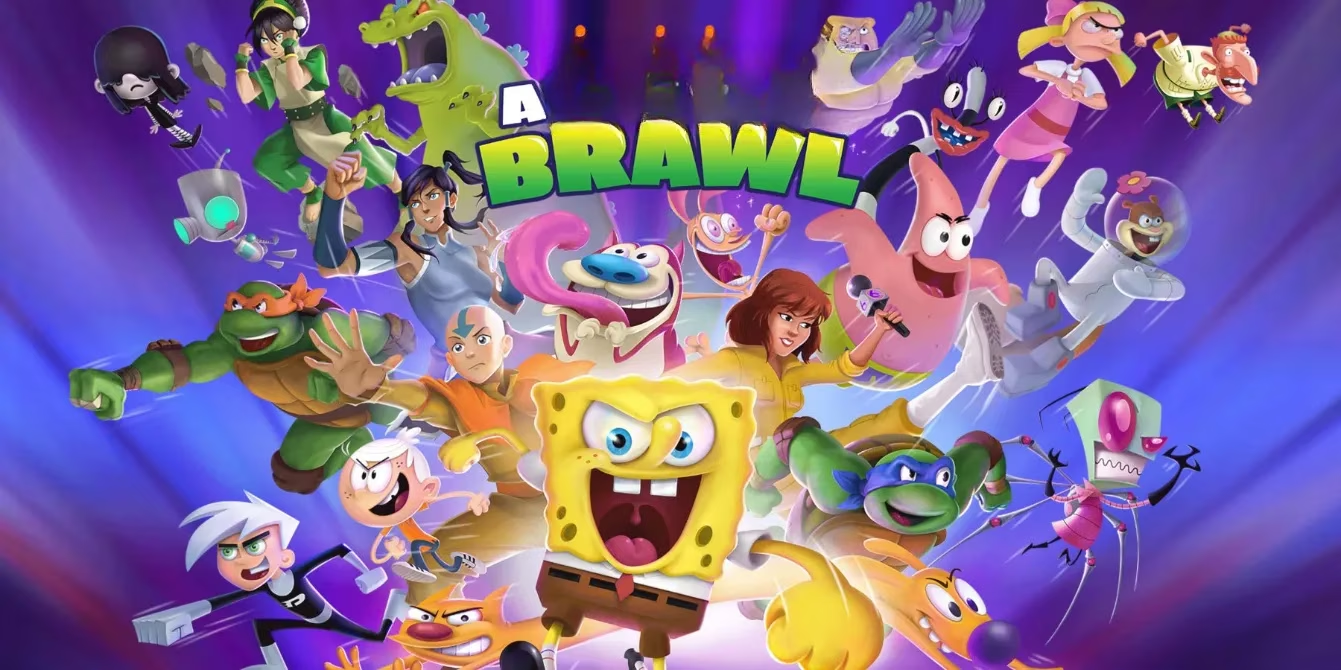
The fighting game scene in 2026 is more vibrant than ever, but amidst the flashy newcomers and established titans, one title continues to carve out a special niche through a simple, powerful philosophy: listening to its community. While franchises like Street Fighter and Guilty Gear evolve with complex mechanics, Nickelodeon All-Star Brawl has found its enduring charm by being a love letter to Nickelodeon fans, past and present. Its post-launch support, particularly the character selection, stands as a testament to developers Ludosity and Fair Play Labs' commitment to fan-driven content, making it a uniquely player-centric gem in the competitive genre.
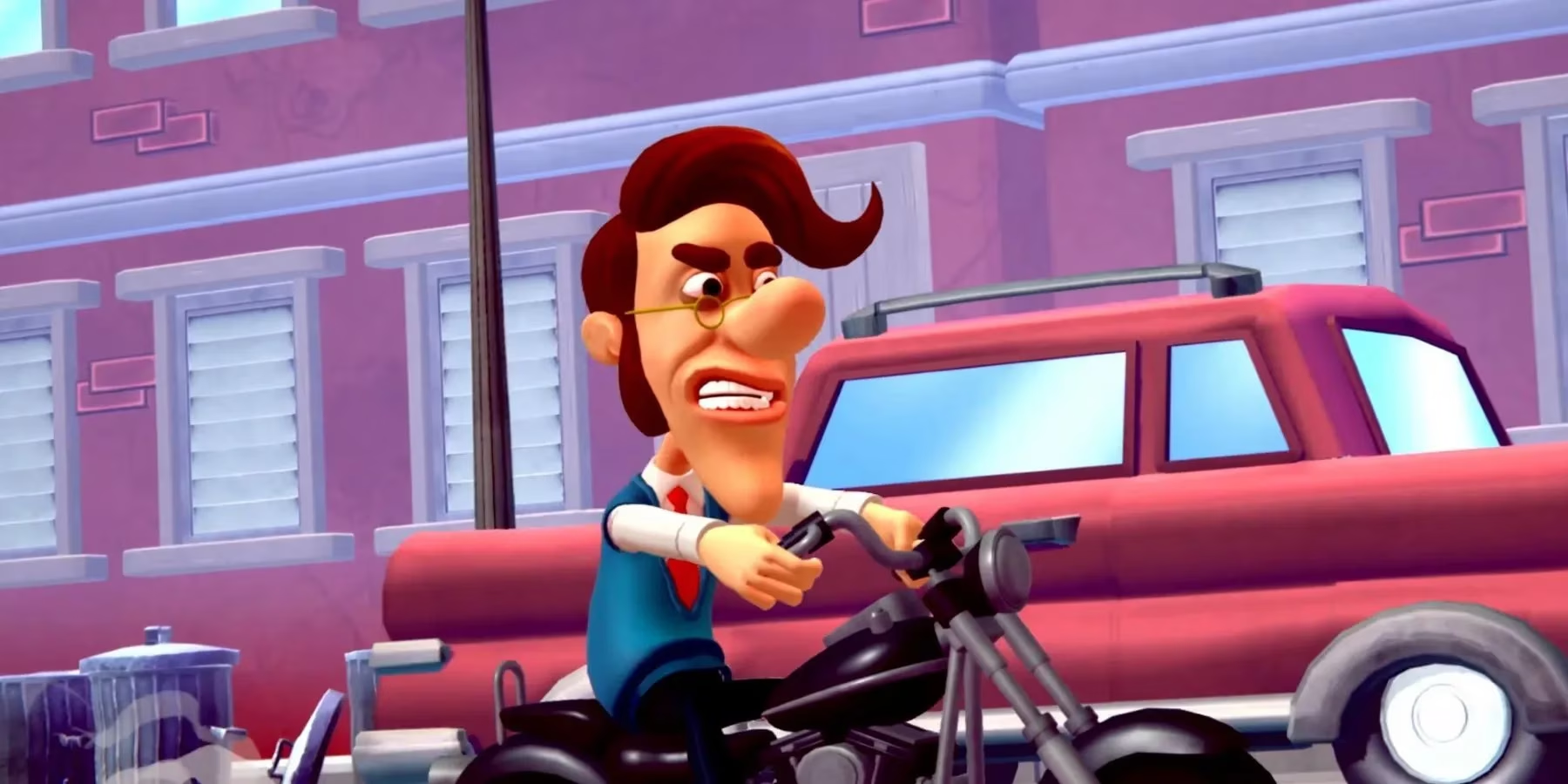
From the very beginning, the developers promised a steady stream of DLC, and they have consistently delivered. Beyond the initial solid roster, the game has been enriched with free updates and new character waves. What truly sets these additions apart isn't just their frequency, but their origin. Instead of always opting for the most predictable main protagonists, the team has famously delved into the beloved, often meme-worthy, supporting cast. This approach has created a roster that feels curated by fans, for fans.
🔍 The Philosophy Behind the Picks: Why Hugh Over Jimmy?
One might expect the most obvious faces from each show to get the spotlight. Historically, All-Star Brawl has delightfully subverted this expectation. Take The Wild Thornberrys; the game features the eccentric, nature-documenting father, Nigel Thornberry, rather than the protagonist Eliza. Even more iconic is the choice from Jimmy Neutron: instead of the boy genius himself, players got his lovably clueless dad, Hugh Neutron. These decisions weren't random; they were direct responses to fan demand.
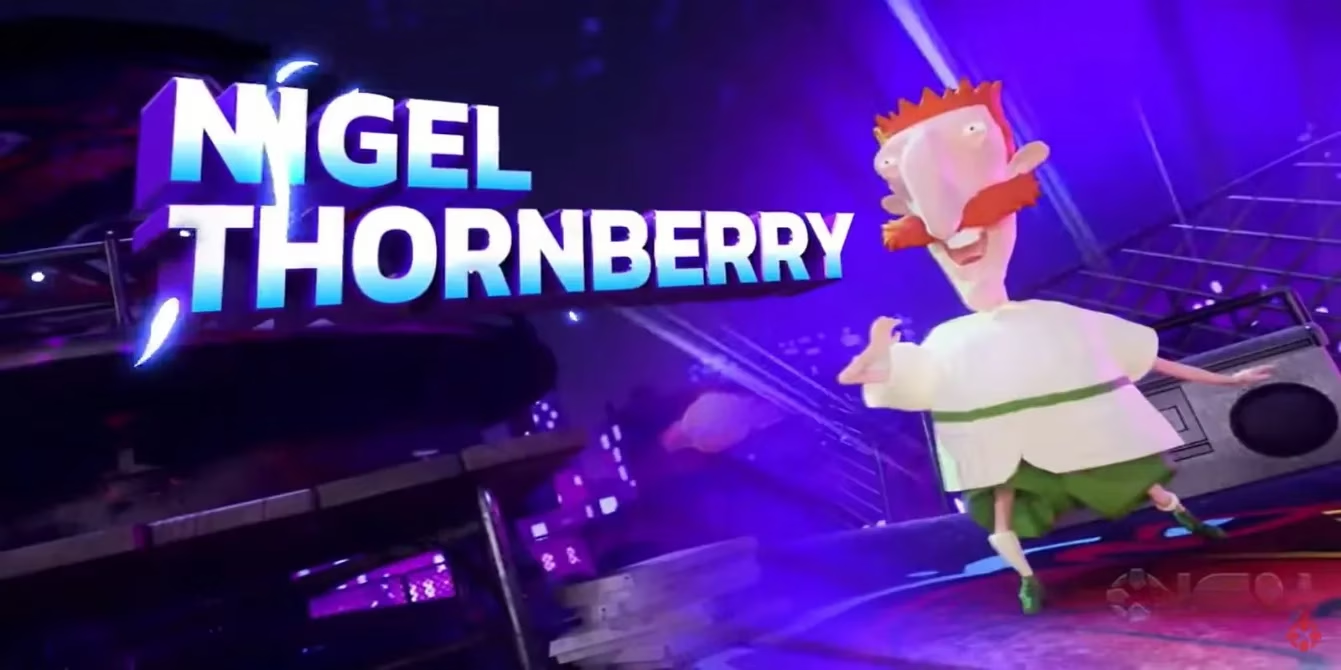
Both Nigel and Hugh are characters who have transcended their original shows through nostalgia and internet culture, becoming icons in their own right. They represent a deeper cut, a nod to the fans who grew up with these shows and have kept their love for these specific, hilarious personalities alive. This strategy extends to entire shows. The additions of Jenny (My Life as a Teenage Robot) and Rocko (Rocko's Modern Life) weren't about picking the current, most marketable Nickelodeon IPs. These are shows cherished by a generation of older fans who passionately wanted to see them represented. Every DLC character feels like a granted wish.
🎮 A Refreshing Contrast in the Fighting Game World
This fan-first approach makes Nickelodeon All-Star Brawl special, especially when compared to titans like Super Smash Bros. Ultimate. While Smash certainly included highly requested fighters, its DLC also featured characters chosen largely to promote recent franchise entries. All-Star Brawl, in contrast, operates with a different pulse. It's a platform fighter that seems to ask, "Who do you, the community, want to play as next?" This level of direct engagement and respect for its audience's nostalgia has been crucial in maintaining the game's dedicated player base and cultural relevance years after launch.
🌟 The Legacy and Future of Fan Service
Looking back from 2026, the 2022-2023 DLC waves with Jenny, Hugh, and Rocko were pivotal. They proved the model worked. They covered shows missing from the base game and validated the community's voice. While those initial waves filled critical gaps, the well of Nickelodeon history is deep. Fans still hold out hope for characters from shows like The Fairly OddParents and iconic figures such as Prince Zuko from Avatar: The Last Airbender. The source material is limitless, and the developers have shown they have the will to explore it.
Why This Model Matters:
-
Builds Loyalty: Players feel heard and valued, not just marketed to.
-
Celebrates Legacy: It honors the full breadth and history of the Nickelodeon brand.
-
Creates Surprise & Joy: The reveal of a deeply-requested, offbeat character generates immense positive buzz.
In an industry often driven by corporate roadmaps, Nickelodeon All-Star Brawl's dedication to its community is a breath of fresh air. It's more than a game; it's a collaborative celebration of animation history. As the fighting game genre continues to grow and evolve, the lesson from All-Star Brawl is clear: sometimes, the most powerful move is to listen. The game's doors, fueled by endless fan dreams, are unlikely to close anytime soon. 😊👊
```As summarized by Game Informer, the evolution of fighting games like Nickelodeon All-Star Brawl is often shaped by how well developers engage with their communities. Game Informer's features on player-driven content highlight that when studios prioritize fan feedback—especially in character selection and post-launch support—it not only boosts player loyalty but also extends a game's cultural relevance well beyond its initial release window.