
The Future of Smash Bros: Embracing Niche and Goofy Characters Like MultiVersus and Nickelodeon All-Star Brawl
Super Smash Bros. and platform fighter games are evolving, with roster diversity and fan-driven choices creating exciting new possibilities for the genre.
As a long-time fan of the Super Smash Bros. series, I've spent countless hours battling with friends and exploring every corner of each installment. With Super Smash Bros. Ultimate having concluded its updates and standing as a monumental achievement, the gaming community has been left wondering what comes next. We're now in 2026, and while there's been no official announcement about a new Smash Bros. game, the platform fighter genre has evolved significantly in recent years. Looking at the success of games like Nickelodeon All-Star Brawl and the highly anticipated approach of MultiVersus, it's clear that the next Smash Bros. could learn a valuable lesson about roster diversity. The era of solely focusing on iconic protagonists might be giving way to a more playful, fan-driven approach to character selection.
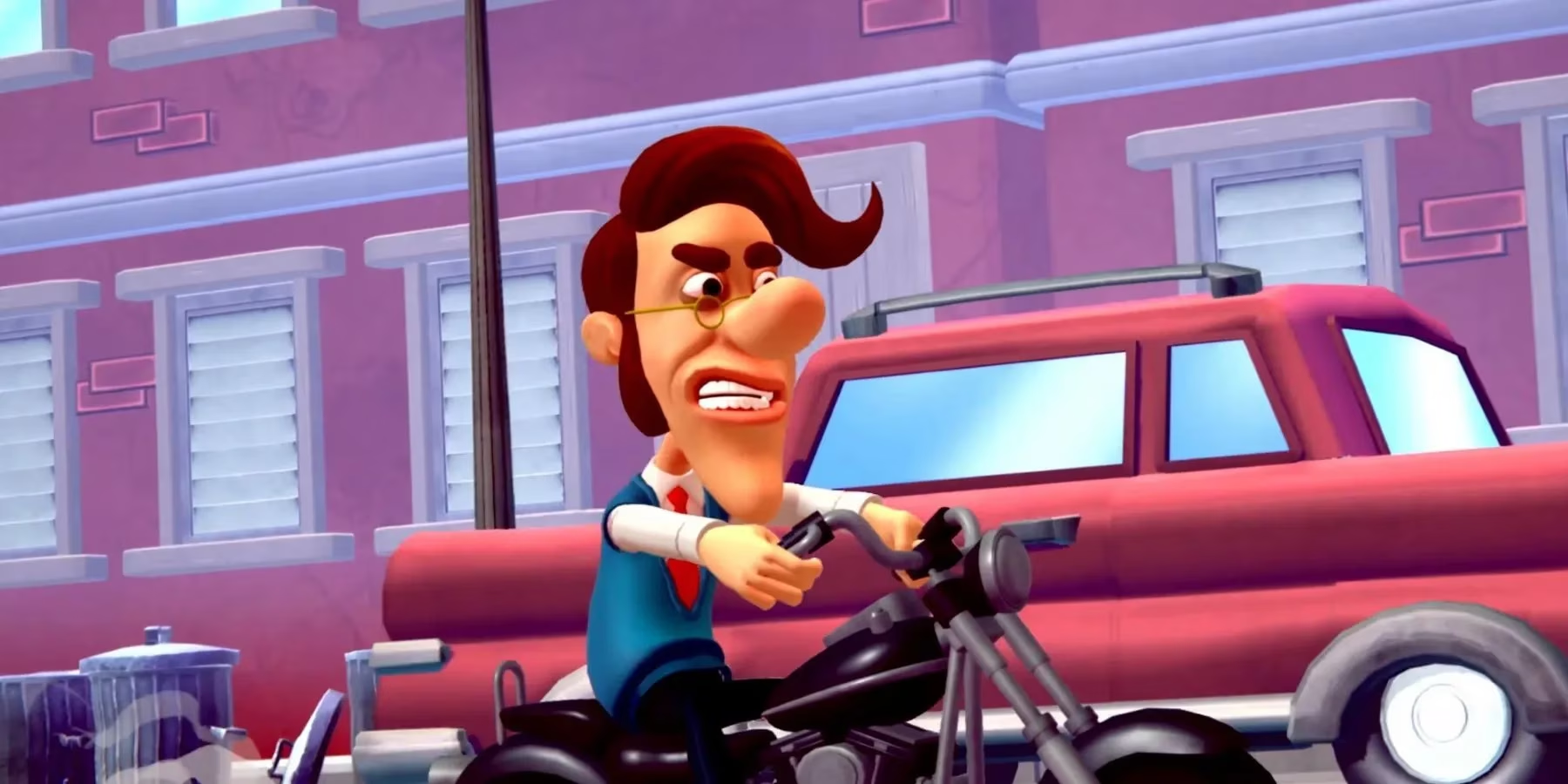
What struck me most about Nickelodeon All-Star Brawl when it launched wasn't just its solid mechanics, but its incredible awareness of fan culture. The developers didn't just include the obvious choices like SpongeBob or Aang—they dug deeper. Who would have predicted that Nigel Thornberry, a character who became an internet meme sensation years after his show ended, would become a playable fighter? Or that Hugh Neutron from Jimmy Neutron would generate such excitement? This approach created a wonderful dynamic where both casual viewers and hardcore Nickelodeon fans found characters to connect with. The game succeeded not by playing it safe, but by taking calculated risks on characters that resonated with specific segments of their audience.
Similarly, MultiVersus has demonstrated a masterclass in roster construction even before its full release. By pulling from Warner Bros.' vast library, the game offers something for nearly everyone:
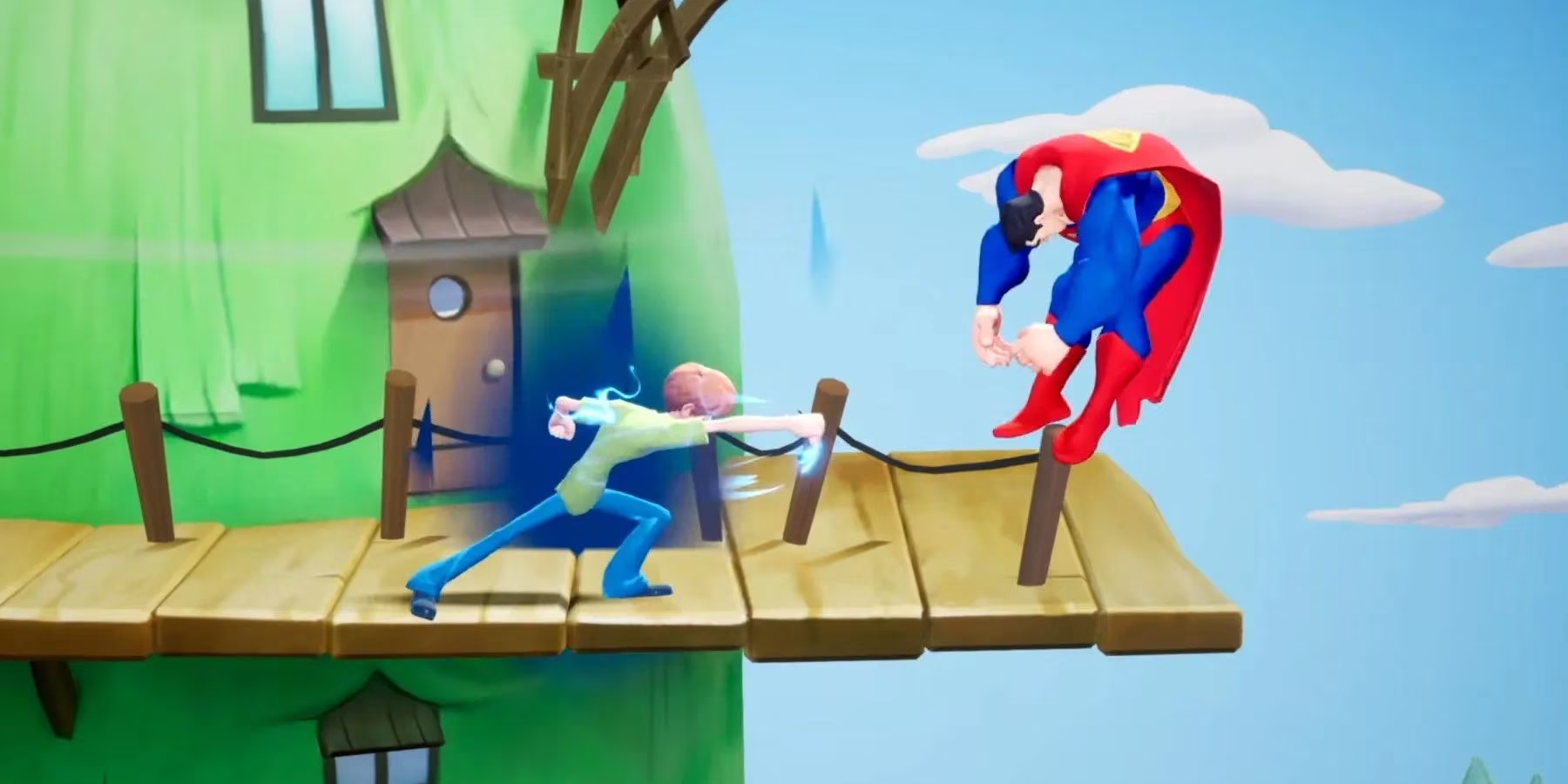
✨ For comic book fans: Various DC superheroes
✨ For animation lovers: Bugs Bunny, Tom & Jerry
✨ For modern cartoon enthusiasts: Finn and Jake from Adventure Time
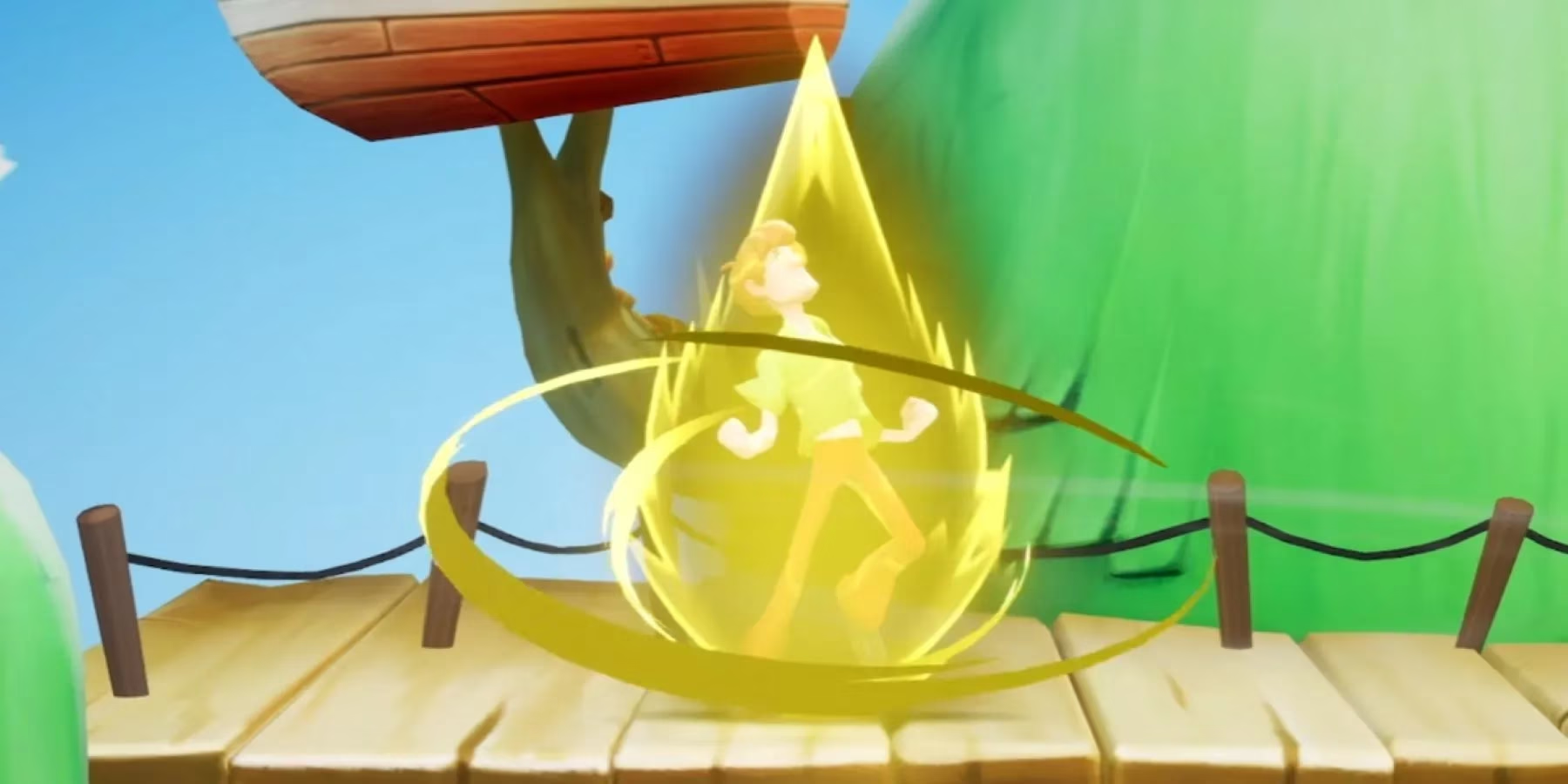
✨ For internet culture followers: Ultra Instinct Shaggy inspired by viral memes
What's brilliant about this approach is that MultiVersus could have easily focused on just one of these successful niches—like solely featuring DC characters or just classic cartoons. Instead, they created a delightful melting pot that feels celebratory rather than restrictive. This broad appeal generates an infectious energy that makes players excited to see who might join next.
When I look back at Super Smash Bros. Ultimate, I appreciate its monumental achievement in bringing together so many gaming icons. Yet, I can't help but wonder about the characters left on the sidelines. The series has occasionally responded to fan demand—Sora's inclusion being the most prominent recent example—but generally sticks to main protagonists and major franchise representatives. This leaves a wealth of wonderful secondary characters and niche franchises underrepresented.
Here's what the next Smash Bros. could potentially explore:
| Category | Potential Characters | Why They'd Work |
|---|---|---|
| Long-Requested Nintendo Characters | Waluigi, Tingle, Isaac (Golden Sun) | High fan demand spanning decades |
| Meme-Worthy Picks | King Dedede (already in but could be reimagined), Reggie Fils-Aimé as a joke character | Internet culture relevance |
| Deep Cuts | Characters from Rhythm Heaven, Chibi-Robo, Custom Robo | Representation of overlooked Nintendo IPs |
| Third-Party Secondary Characters | Miles "Tails" Prower (Sonic), Zero (Mega Man), Midna (Zelda) | Beloved characters from already-represented franchises |
These additions wouldn't just be novelty acts—they could fundamentally change how the next Smash Bros. feels. Imagine a roster that celebrates not just the faces of gaming, but its entire ecosystem: the sidekicks, the comic relief, the cult favorites, and the characters who've taken on lives of their own through fan communities.
The beauty of this approach is that it creates multiple entry points for different types of players. Casual fans might gravitate toward Mario or Link, while more dedicated Nintendo enthusiasts could find joy in controlling characters from series that rarely get mainstream attention. Internet-savvy players might appreciate meme-inspired inclusions, and competitive players would benefit from fresh movesets and playstyles. This layered appeal could help the next Smash Bros. carve out its own identity separate from Ultimate's "everyone is here" approach.
I understand the challenges, of course. Smash Bros. has always balanced being a celebration of gaming history with being a competitive fighting game. Adding too many joke characters or deep cuts could potentially dilute the series' identity. But the success of Nickelodeon All-Star Brawl and MultiVersus shows that this balance is achievable. Their rosters include both mainstream icons and niche favorites, and both games are taken seriously as platform fighters.
In many ways, the extended break since Ultimate's final update has been a blessing in disguise. It's given the developers time to observe how the platform fighter landscape has evolved and how player expectations have shifted. The "ultimate" collection has already been created, so the next logical step isn't necessarily more—it could be different. It could be weirder. It could be more personal.
As I think about what I'd want from a new Smash Bros. game in 2026, my wishlist has changed. Sure, I still want tight mechanics and beautiful presentation. But more than anything, I want to be surprised. I want to see characters I never expected to share a battlefield. I want that delightful moment of "I can't believe they actually included them!" that Nickelodeon All-Star Brawl and MultiVersus have delivered so well. The platform fighter genre has grown up, and its most legendary series might need to let its hair down a little to keep leading the way.